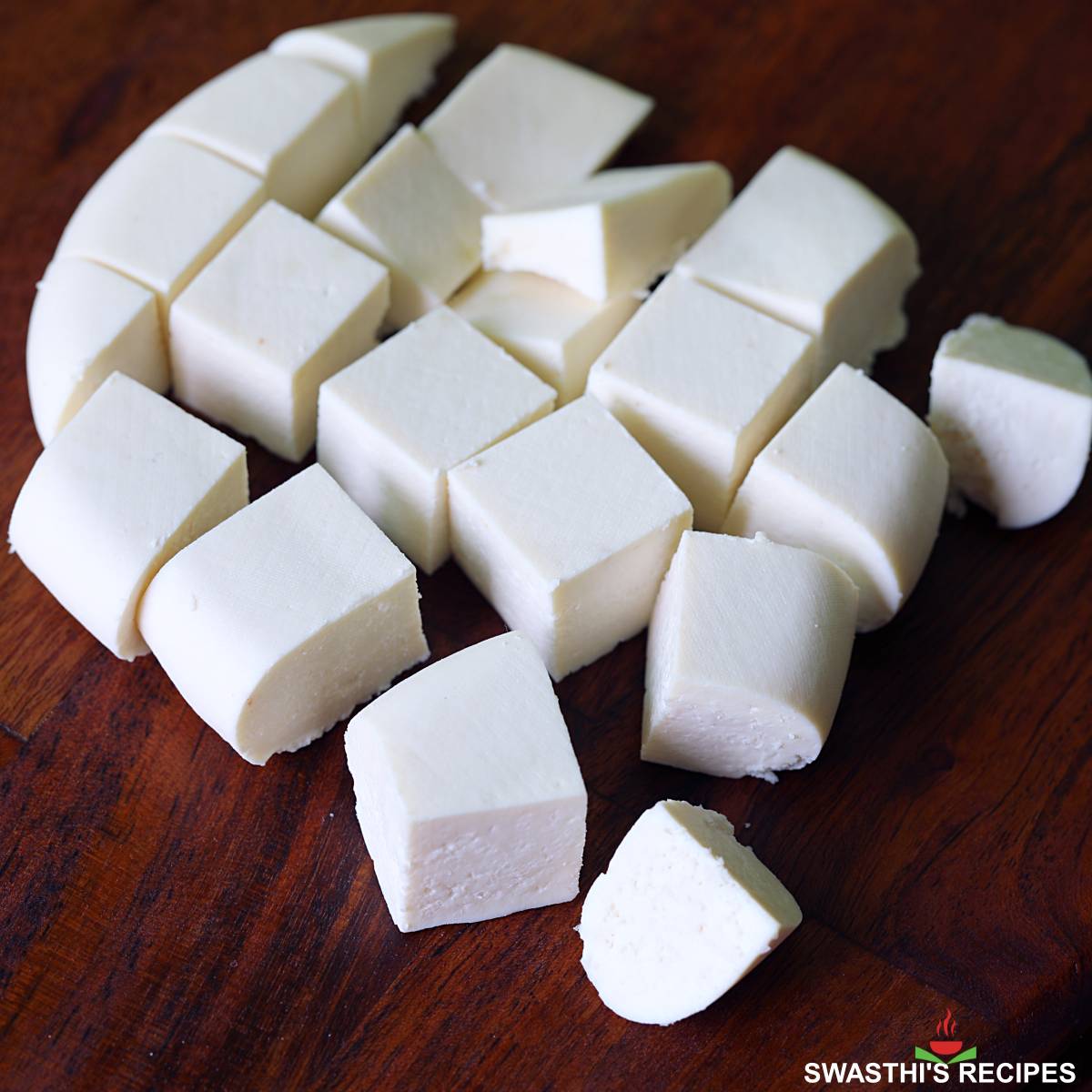
DIY Paneer Guide: From Milk to Perfect Soft Indian Cheese Cubes
Paneer, the beloved Indian fresh cheese, is a versatile ingredient that forms the heart of countless delectable dishes, from rich curries like Butter Paneer Masala and Palak Paneer to crispy appetizers and even some desserts. While readily available in most grocery stores, the experience of making paneer at home is truly unparalleled. Imagine paneer that’s incredibly soft, wonderfully spongy, and free from any preservatives or additives. Once you discover the simplicity and superior quality of homemade paneer, you'll likely never look back at store-bought versions. This comprehensive guide will walk you through the entire process, empowering you to master the art of `diy how to make paneer at home` and elevate your culinary creations.
Why Make Paneer at Home? The Unbeatable Benefits
The allure of homemade paneer extends far beyond mere cost savings. It’s about achieving a level of freshness, texture, and flavor that packaged paneer simply can't match.
*
Superior Freshness & Purity: When you make paneer at home, you control every ingredient. There are no mysterious additives, preservatives, or stabilizers, just pure milk and a natural coagulant. This results in a product that’s not only healthier but also tastes distinctly fresh and clean.
*
Unrivaled Softness and Texture: One of the most common complaints about store-bought paneer is its often rubbery or crumbly texture. Homemade paneer, when made correctly, boasts an incredibly soft, delicate, and spongy consistency that readily absorbs the flavors of any dish it graces. This difference in texture is truly a game-changer for your cooking. For a deeper dive into this, read our article on
Homemade Paneer vs. Store-Bought: Achieve Superior Softness.
*
Cost-Effective: While the primary motivation might be quality, making paneer yourself can be surprisingly economical, especially if you use a lot of it in your cooking. You're essentially transforming inexpensive whole milk into a premium ingredient.
*
A Rewarding Culinary Experience: There's immense satisfaction in creating something delicious from scratch. The process of turning simple milk into beautiful, firm cheese cubes is a rewarding culinary journey that builds confidence in the kitchen.
*
Excellent Source of Protein: Paneer is a fantastic vegetarian source of protein, making it a healthy addition to your diet. Knowing it's fresh and pure only adds to its health benefits.
Essential Ingredients for Your DIY Paneer Journey
The beauty of paneer lies in its minimalist ingredient list. You only need two main components, plus a few basic kitchen tools.
*
Whole Fat Milk: This is the cornerstone of great paneer. You absolutely need
full-fat, whole milk for the best results. Skim or low-fat milk will yield a significantly lower quantity of paneer, and the texture will be less creamy and more crumbly. For 1 liter of whole milk, you can expect to get approximately 175-200 grams of paneer.
*
Coagulant: This is what separates the milk solids from the whey. You have a couple of excellent options:
*
Fresh Lime Juice (Lemon Juice): Typically 2-3 tablespoons per liter of milk. This is a popular choice for its widely available and imparts a fresh, subtle flavor if not fully rinsed.
*
White Vinegar: Approximately 1 ½ tablespoons per liter of milk. Vinegar works effectively and is a common household item. Ensure it's plain white vinegar to avoid unwanted flavors.
*
Other options include citric acid powder or even yogurt, but lime juice and vinegar are the most straightforward for beginners.
Key Equipment You'll Need:
* A heavy-bottomed pan or pot (to prevent milk from scorching)
* A fine-mesh strainer
* A large bowl (to catch the whey)
* A clean muslin cloth or cheesecloth (essential for straining and pressing)
* A flat tray or plate with holes (optional, for even pressing)
* A heavy object for pressing (e.g., a heavy pan, a stack of books, a pressure cooker filled with water)
Step-by-Step Guide: How to Make Paneer at Home
This detailed, easy-to-follow guide will ensure your first attempt at `diy how to make paneer at home` is a resounding success.
1. Curdling the Milk
This is where the magic begins, transforming liquid milk into solid curds.
1.
Heat the Milk: Pour 1 liter of whole fat milk into your heavy-bottomed pan. Place it over medium-high heat.
2.
Bring to a Boil, Stirring: Continuously stir the milk occasionally to prevent it from sticking to the bottom and scorching. Bring the milk to a full, rolling boil.
3.
Prepare Coagulant: While the milk is heating, squeeze fresh lime juice or measure out your vinegar. You can dilute the lime juice/vinegar with an equal amount of water if you prefer, as this sometimes helps distribute it more evenly, though it's not strictly necessary.
4.
Add Coagulant: Once the milk reaches a boil, reduce the heat to low. Immediately start adding your chosen coagulant,
one teaspoon at a time. Stir the milk gently after each addition.
5.
Observe Curdling: Continue adding the coagulant and stirring until the milk clearly separates into solid, milky curds and a greenish-yellow, watery liquid (this is the whey). Do not rush this process. It might take a few additions. Stop adding coagulant as soon as you see clear separation; adding too much can make the paneer tough.
6.
Rest: Once the milk has completely curdled, turn off the heat. Let the curds settle for about 5 minutes. This allows for better separation and slightly firmer curds.
2. Straining the Curds
Separating the paneer solids from the whey is the next critical step.
1.
Prepare Strainer: Place your fine-mesh strainer over a large bowl (to collect the valuable whey – don't discard it yet!). Line the strainer with a clean muslin cloth or cheesecloth, ensuring there's enough overhang on the sides.
2.
Pour Contents: Carefully pour the curdled milk from the pan into the muslin-lined strainer. The curds will collect in the cloth, and the whey will drain into the bowl below.
3.
Rinse the Paneer: Gently rinse the collected curds under cool, running water for 1-2 minutes. This step is crucial for two reasons:
* It washes away any residual flavor from the lime juice or vinegar, ensuring your paneer tastes neutral.
* It helps to cool down the paneer, preventing it from cooking further and making it softer.
4.
Initial Squeeze: Gather the edges of the muslin cloth, forming a ball or pouch around the paneer curds. Gently twist and squeeze the cloth to expel excess whey. Be careful not to press too hard at this stage, or you might force out too much moisture too quickly, leading to crumbly paneer. You should feel the curds firming up. For more detailed visual guidance, check out our article on
Easy Homemade Paneer: How to Make Soft Indian Cheese at Home.
3. Pressing for Perfection
This step gives your paneer its characteristic block shape and firm texture.
1.
Shape the Paneer: Flatten the paneer curds within the muslin cloth into a rectangular or square block, resembling how you'd fold a handkerchief.
2.
Set Up for Pressing: Place the folded paneer bundle on a flat surface. For best results, place it on a plate with holes or a wire rack set over a tray. This allows any remaining whey to drain away easily.
3.
Apply Weight: Place a heavy object evenly on top of the paneer bundle. This could be a heavy-bottomed wok filled with water, a pressure cooker filled with water, a stack of heavy cans, or even a large cutting board with some weighty items on top.
4.
Pressing Time: The duration of pressing dictates the firmness of your paneer:
* For soft, melt-in-your-mouth paneer, press for 2-3 hours.
* For firmer paneer that holds its shape well in curries, press for 4-5 hours.
*
If you want extra-firm paneer, you can even press it overnight in the refrigerator.
5.
Unmold and Cut: After the pressing time, carefully remove the weight and unfold the muslin cloth. You will reveal a beautiful, smooth block of homemade paneer! The edges might look slightly crumbly, which is normal. Trim them off if desired.
6.
Cut into Cubes: Place the paneer on a cutting board and slice it into your desired cubes or shapes. Your fresh, healthy, homemade paneer is now ready to use!
Tips for Achieving the Perfect Paneer Every Time
While the process is straightforward, a few expert tips can ensure consistently excellent results:
*
Don't Skimp on Whole Milk: This is the golden rule. Lower fat content means less paneer and a less creamy texture.
*
Add Coagulant Slowly: Patience is key. Rushing this step or adding too much coagulant at once can result in tough, rubbery paneer.
*
Don't Over-Boil After Curdling: Once the milk has clearly separated into curds and whey, turn off the heat. Continuing to boil the curds can make them hard.
*
Rinse Thoroughly: A good rinse is essential to eliminate any sour taste from the coagulant.
*
Adjust Pressing Time: Tailor the pressing time to your preferred texture. Softer paneer is great for bhurji or lightly sautéed dishes, while firmer paneer holds up better in gravies.
*
Save the Whey! The greenish liquid (whey) is packed with nutrients like protein, vitamins, and minerals. Don't discard it! You can use it in kneading dough for rotis or bread, adding to soups, making gravies, or even drinking it as a healthy beverage.
*
Troubleshooting Crumbly Paneer: If your paneer crumbles when you cut it, it likely means it wasn't pressed long enough, or not enough moisture was drained out. Next time, try pressing for a longer duration.
*
Troubleshooting Rubbery Paneer: This often happens from over-boiling the curds after separation or using too much coagulant. Ensure you turn off the heat immediately after curdling and rinse properly.
Unleash Your Culinary Creativity with Homemade Paneer
Now that you've mastered the art of `diy how to make paneer at home`, a world of culinary possibilities opens up. Your fresh, soft paneer will transform your favorite dishes:
*
Classic Curries: Use it in iconic dishes like Palak Paneer, Kadai Paneer, Shahi Paneer, Matar Paneer, or Paneer Tikka Masala. The soft texture will absorb the rich flavors beautifully.
*
Appetizers: Make delectable Paneer Tikka, Paneer Pakoras, or chili paneer.
*
Stir-Fries & Salads: Add pan-fried paneer cubes to vegetable stir-fries or fresh salads for a protein boost.
*
Desserts: While specific types of paneer (chhena) are often used for traditional Bengali sweets like Rasgulla and Rasmalai, you can also experiment with your homemade paneer in simple dessert preparations.
*
Sandwiches & Wraps: Crumble or slice paneer for a hearty and flavorful filling.
Storage:
*
Refrigerator: Freshly made paneer can be stored in an airtight container filled with fresh water in the refrigerator for 2-3 days. Change the water daily to maintain freshness.
*
Freezer: For longer storage, pat the paneer dry, wrap it tightly in cling film, and then place it in a freezer-safe bag or container. It will stay good for 1-2 months. Thaw in the refrigerator or by soaking in warm water before use.
Conclusion
Making paneer at home is not just a cooking task; it's an enriching experience that rewards you with a superior ingredient, unmatched in freshness and taste. With just milk, a coagulant, and a little patience, you can effortlessly transform simple ingredients into perfect soft Indian cheese cubes. So, roll up your sleeves, gather your ingredients, and embark on this delightful journey of `diy how to make paneer at home`. Once you taste the difference, you'll wonder why you ever bought it from the store! Happy cooking!